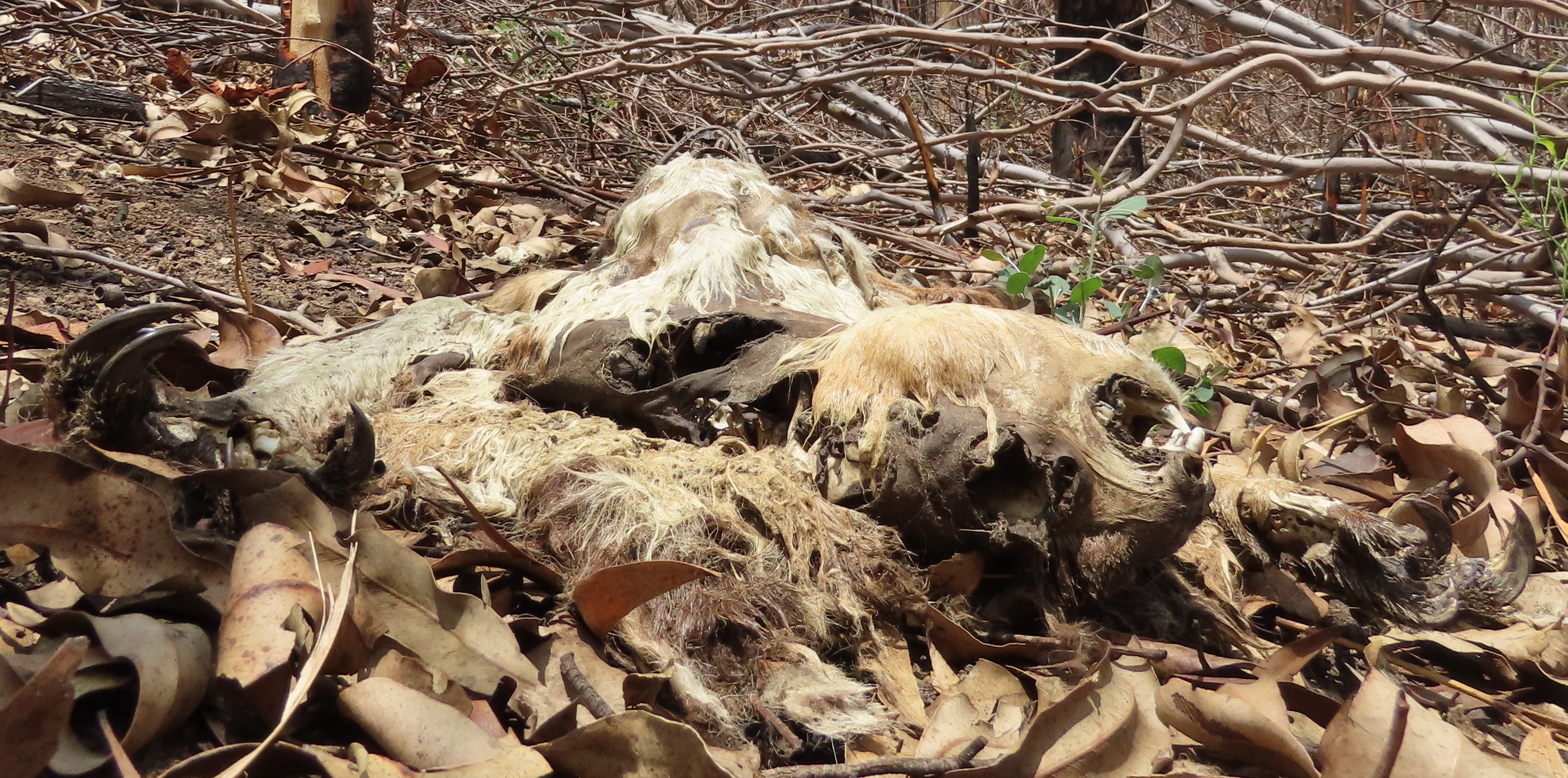
 This population of Koalas was devastated by the 2019/20 wildfires, likely over half the population died, and many Koala feed trees were killed. Across the Richmond River Koala Parks 86% burnt, 18% intensively. Koalas are slowly recovering and again utilising most suitable habitat, though still in low numbers.
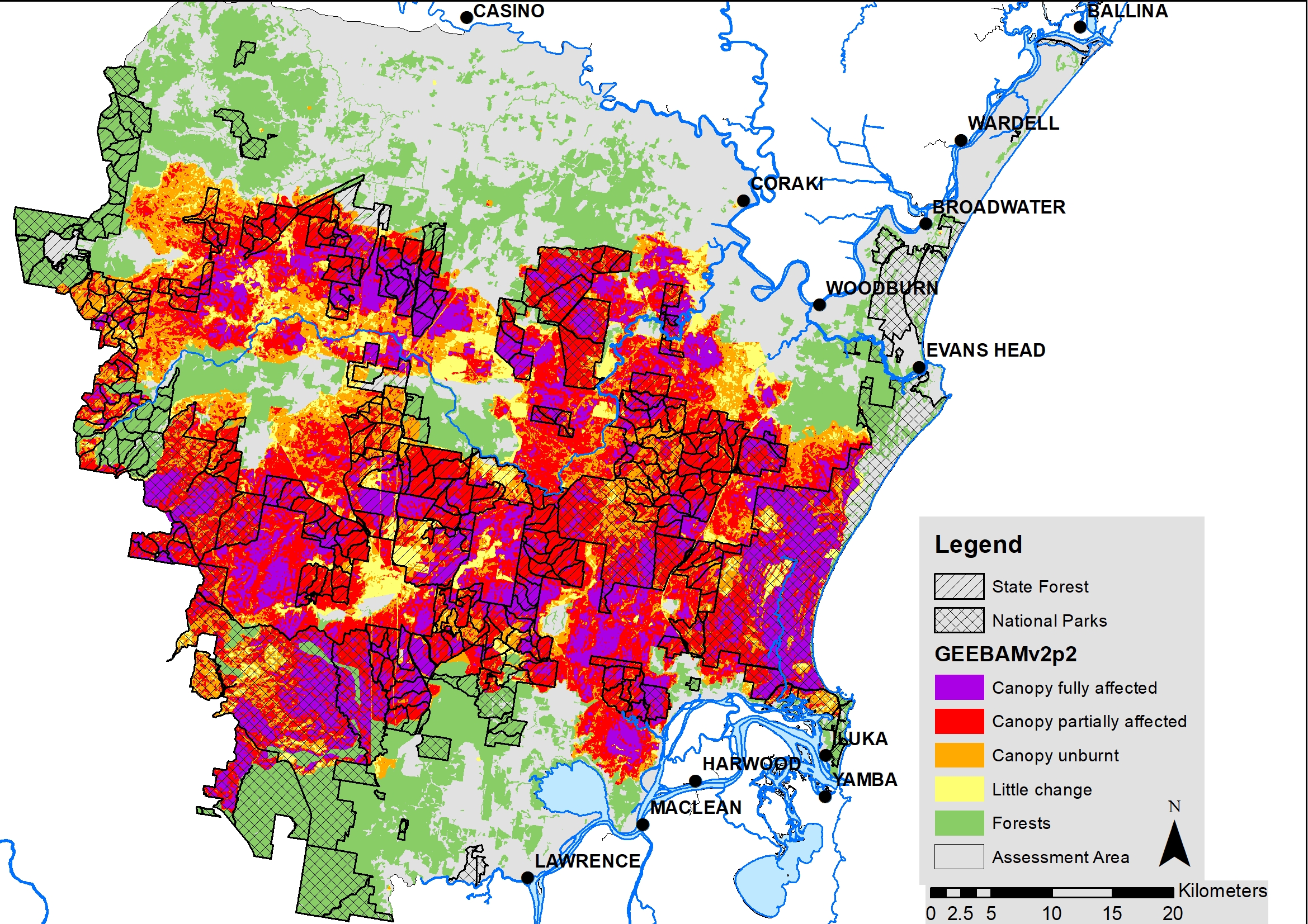 Map showing 2019/20 wildfire intensity.
Now that the Great Koala National Park is off-limits, the Forestry Corporation has resumed logging of Koala feed trees in the Richmond River Koala Parks, in their operations removing over 75% of the mature feed trees Koalas need to rebuild their population.
In these forests Koalas prefer trees over 30 cm diameter (over 90 years old) of Small-fruited Grey Gum, Forest Red Gum, Slaty Red Gum and Grey Box - their abundance determines how many Koalas an area can support.
In 2019 NEFA found an exceptional density of Koalas in part of Braemar State Forest and has since been trying to protect them. The 2019 wildfire and continued drought likely killed over 80% of the Koalas, and they are only slowly recovering. After the fires we found a remnant Koala population in Myrtle State Forest. Our numerous appeals to Environment Minister Penny Sharpe to stop logging in areas actively used by Koalas were rebuffed. NEFA took the Forestry Corporation to court in September 2023 in an attempt to prevent them logging Koala habitat in Braemar and Myrtle State Forests, on the basis that the forester preparing the harvesting plans had failed to take into account the principles of ecologically sustainable forest management when preparing the plan, particularly having regard to the impacts of the 2019/20 wildfires. NEFA engaged Dr. Steve Philips to prepare expert evidence. He found active habitat utilisation by koalas at 4 of 5 field sites in Myrtle SF and 4 of 6 sites in Braemar SF, stating:
In my opinion, the logging of koala browse trees from within areas severely impacted by the 2019-20 bushfire events, such as Myrtle and Braemar State Forests, will exacerbate koala population decline in these areas and, in the worst case scenario, could potentially lead to the extinction of local koala populations in these areas.
The judge found that the forester only needs to apply the CIFOA logging rules when preparing harvesting plans, and dismissed our case.
The Forestry Corporation then started logging both forests. Over a year ago they stopped logging while they focused on the Great Koala National Park, and recently returned to resume logging them, as well as resuming logging in the unburnt Cherry Tree State Forest (where logging was temporarily stopped by an earlier court challenge by a traditional owner). They have now completed logging Braemar SF.
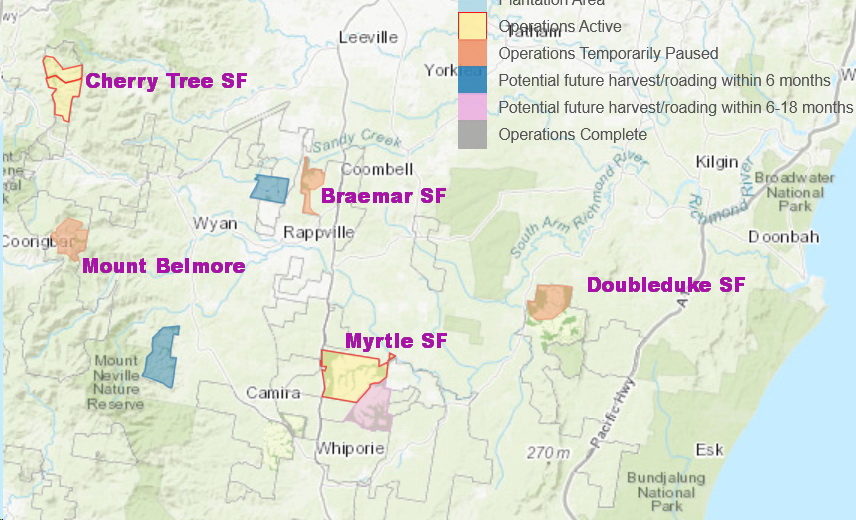 Extract from Forestry Corporation's plan portal, March 2026.
Under the CIFOA logging rules, for Koalas the Forestry Corporation only need to retain 5 small trees (>20 cm diameter) per hectare of a number of species (some of which Koalas don't even eat), with their favourite Grey Gums only listed of secondary importance. If a Koala is seen, they just have to wait for the Koala to leave its tree before they can cut it down.
In the forests worst affected by the 2019/20 fires the Forestry Corporation was forced to adopt temporary exclusion areas to "offset" continued logging, to place 10m buffers around permanent exclusion areas, to retain 5% of the loggable area as temporary Koala exclusion areas and to retain ‘recruitment’ trees where hollow-bearing trees are not present. All these requirements were abandoned in January, and the Forestry Corporation has now logged most of these areas in Myrtle SF.
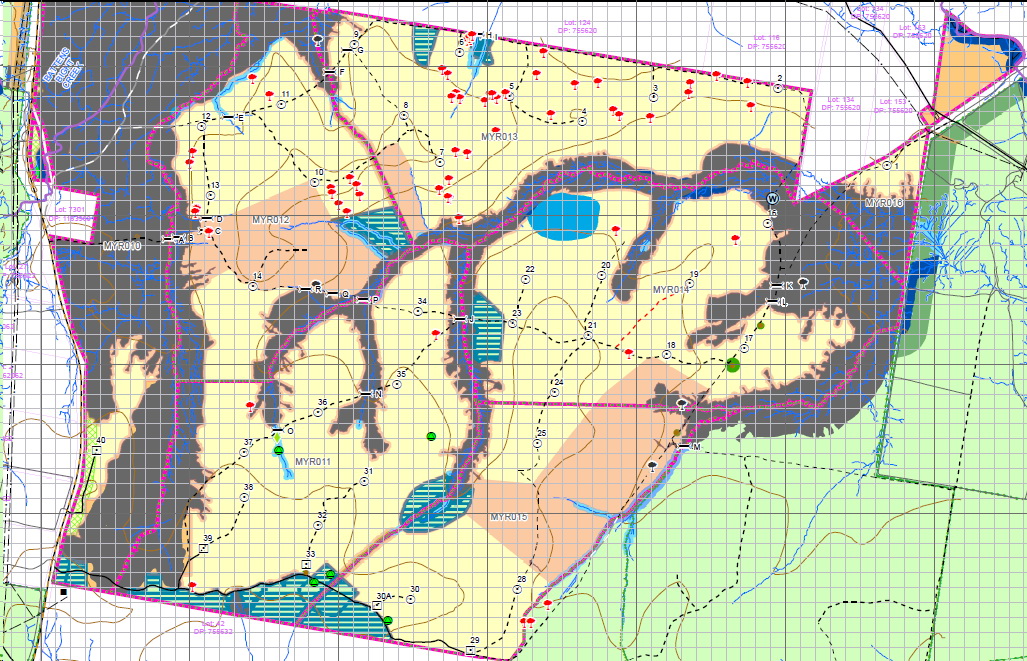
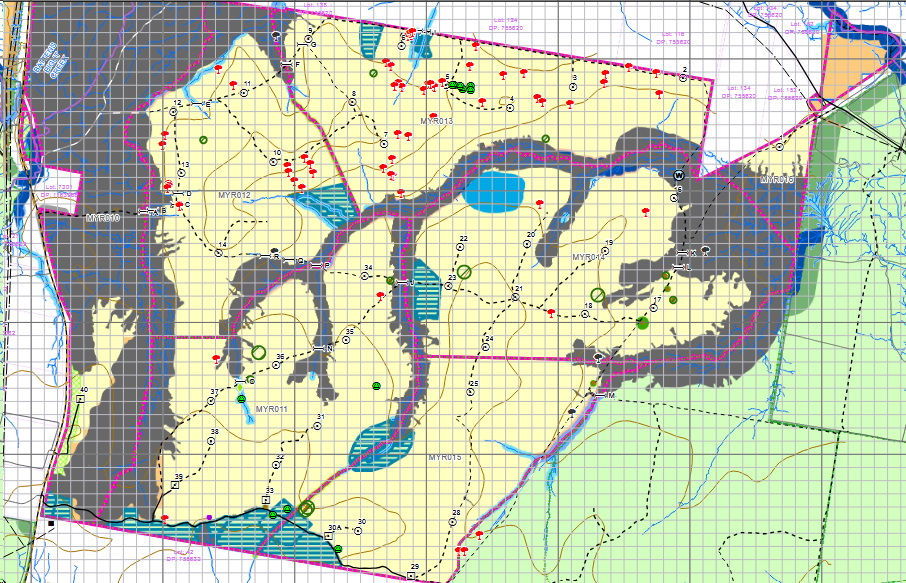
Changes to the Myrtle SF harvest plan made in January 2026, yellow is the loggable area, note the removal of temporary fire offset areas (orange areas) in the January plan (RIGHT), that are now being logged. Note the 5% of the logging area that was once required to be protected for Koalas is not shown.
They have almost completed logging Myrtle SF, though still have a long way to go in Cherry Tree SF. Mount Belmore and Doubleduke SFs will be the next targeted.
These are extinction operations.
Forestry Corporation must be made to stop cutting down Koala's feed trees until the Richmond River Koala Parks are created.
The Richmond River Koala Parks Campaign Team acknowledges the traditional custodians of the lands within the proposed Richmond River Koala Parks . We pay our respect to the past, present and emerging Elders of the Bandjalang and West Bundjalung Nations.
We will continue to work closely with Aboriginal communities, groups and knowledge holders during our campaign to see the Richmond River Koala Parks become a reality.
Do you like this page?